Engineering plastics in poultry processing lines: cast polyamide, POM and PTFE
How the three most common engineering plastics for bushings, wheels, slides and shackle parts differ, and when to choose each.
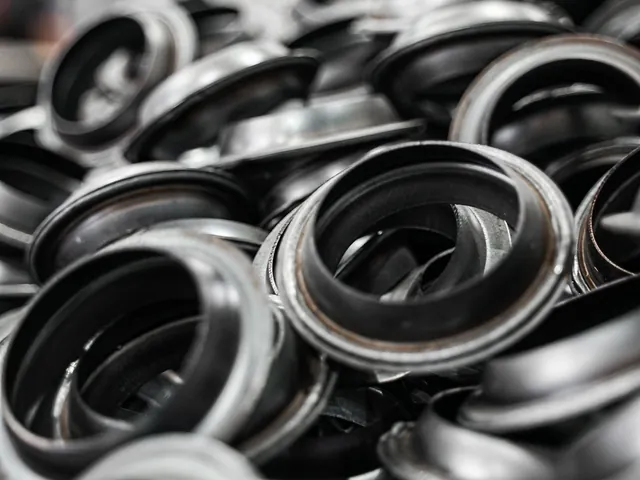
A large share of the bushings, wheels, slides, shackle parts and guides in poultry processing lines are made from engineering plastics. They run with water, temperature changes, intensive cleaning and constant friction. The right material directly affects part life and how often the line stops.
Cast polyamide (PA6G)
Widely used for wheels, bushings and slides thanks to its high wear resistance and toughness. Because it is available as large castings, big parts are easy to machine. The point to watch is moisture absorption: dimensions can change slightly in permanently wet conditions, so clearances in tight-tolerance bearings must allow for it.
POM (acetal)
Stands out with a low friction coefficient, good dimensional stability and very low moisture absorption. A good choice for precise bushings, gears and locking parts that must hold their size when wet.
PTFE
Offers very low friction and high chemical resistance, including against aggressive cleaning chemicals. Since virgin PTFE tends to creep under load, filled grades or other materials are considered for highly loaded positions.
Comparison
| Property | Cast polyamide (PA6G) | POM | PTFE |
|---|---|---|---|
| Wear resistance | Very good | Good | Moderate (unfilled) |
| Friction | Low | Low | Very low |
| Moisture absorption | Noticeable | Very low | Negligible |
| Dimensional stability (wet) | Moderate | Very good | Good |
| Chemical resistance | Good | Good | Very good |
Food contact
For areas in direct contact with food, the suitability and certification of the material must be assessed separately. Stating this requirement at quotation stage ensures the right material and supplier are chosen.
For a material recommendation, just write the current material and the problem you see in the quote form.